On Literature
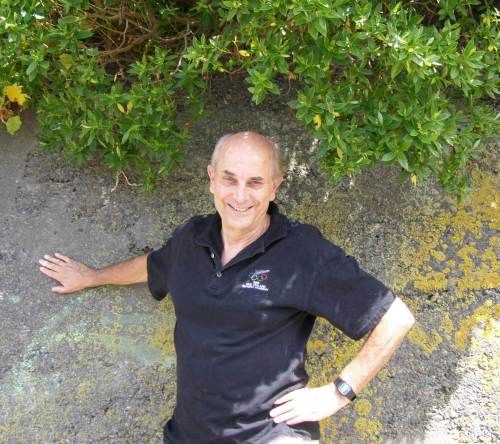
Roger Robinson On Literature
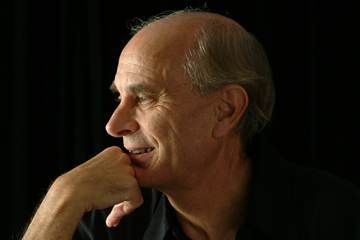
Roger comments:
"After a few years as an academic in the field of English, I decided that life is too short and literature too important to justify spending your life laboring on abstruse articles that will be read by a few specialists. "Academic" should mean "well-researched," not "trivial and inaccessible." So I committed myself to making good literary scholarship available to a wide audience. That has been the philosophy of my literary and academic work ever since."
For his most recent book reviews.
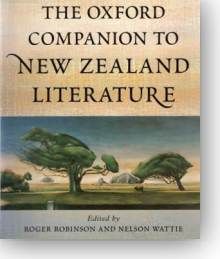
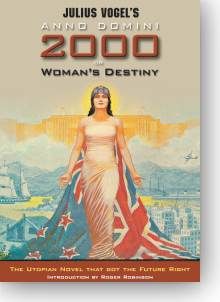
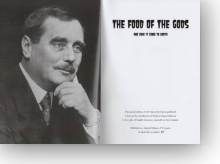
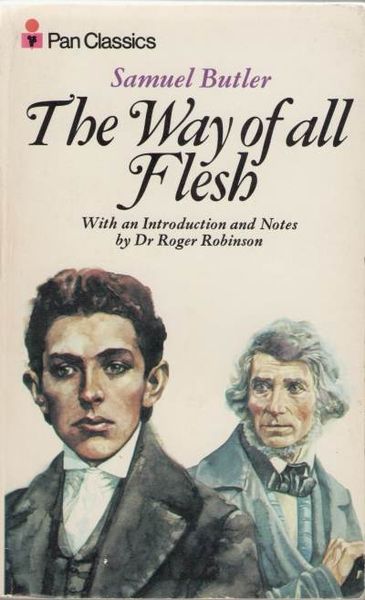
Much of Roger's best work is therefore in introductions to editions, opening up to a wide readership literary texts like Butler's The Way of All Flesh, Vogel's Anno Domini 2000, or H.G. Wells's The Food of the Gods; or in literary guides like the Oxford Reader's Guide to Thomas Hardy, and the Oxford Companion to New Zealand Literature.
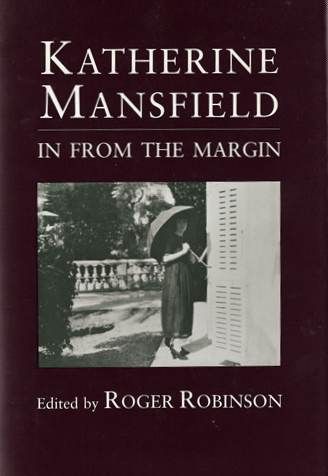
He made many original contributions to knowledge in these popular works, as well as in influential essays, mostly on English novelists - Fielding, Dickens, Butler, Hardy, Burgess, and others. His essay on "Hardy and Darwin" became a key text at England's Open University, and was also cited as seminal when the USA established an association for the study of literature and science. He also became a leading authority on New Zealand literature, publishing books on Katherine Mansfield and Wellington Writing, and a pioneering commentator on the emerging literature of the Pacific island nations.
"Robinson's studies of Pacific writing over a quarter of a century are probably the most rigorous body of work we have in that field." (K. O. Arvidson in the Journal of New Zealand Literature.)
Range of interests
Never narrowly specialized, Robinson's literary work is notable for originality in many different areas.
He linked the 18th century novel with the visual arts and landscaping (Fielding and the English Rococo)
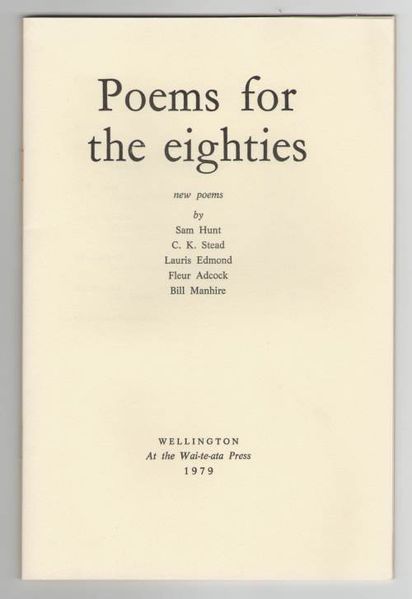
He identified the regionalism within New Zealand literature (Writing Wellington)
He repositioned Butler'sErewhon as an essentially New Zealand work.
He brought Katherine Mansfield "in from the margin."
He showed that the neglected The Food of the Gods is a pivotal work of H.G. Wells.
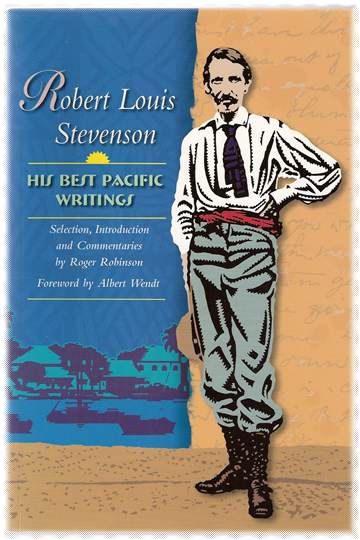
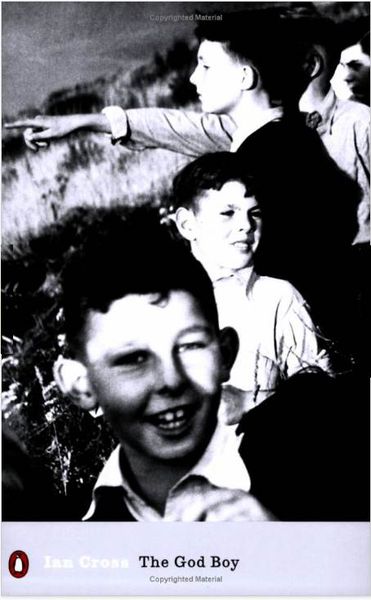
He wrote seminal introductions to Pacific and New Zealand writers like Albert Wendt, Alistair te Ariki Campbell and Ian Cross. He also initiated the Journal of New Zealand Literature, Victoria University's Creative Writing Fellowship, and several major conferences, as well as keeping a high reputation among students as an outstanding lecturer through a 40-year teaching career.
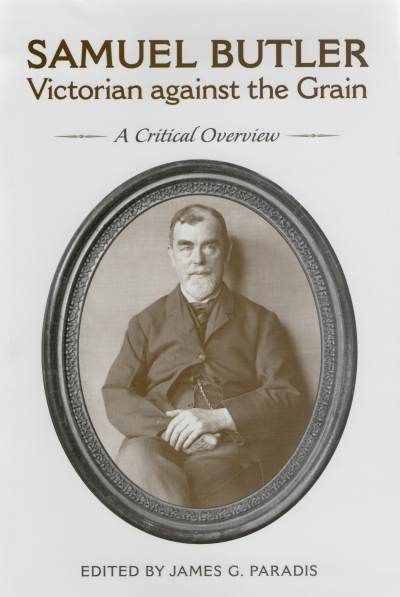
Roger continues to work as a book reviewer, mostly in the quarterly journal New Zealand Books (www.nzbooks.org.nz), specializing in reviews that provide a summative assessment of the writer's work. His most recent is on the new biography of Katherine Mansfield (see "Literary Reviews"). He is also busy bringing to fruition his lifetime's study of Samuel Butler. He wrote the essay on Butler (and one on Julius Vogel), in the on-line Dictionary of Literary Biography, and has a major essay in the collection Samuel Butler: Victorian Against the Grain. Most recent literary publication (December 2010) is a provocative article about Butler in a collection of "counter-factualities," New Zealand As It Might Have Been, edited by Stephen Levine. In 2011 Roger hopes to stay with Butler, possibly with an edition of Erewhon.